để lại lời nhắn
Nếu bạn quan tâm đến sản phẩm của chúng tôi và muốn biết thêm chi tiết, vui lòng để lại lời nhắn tại đây, chúng tôi sẽ trả lời bạn sớm nhất có thể.

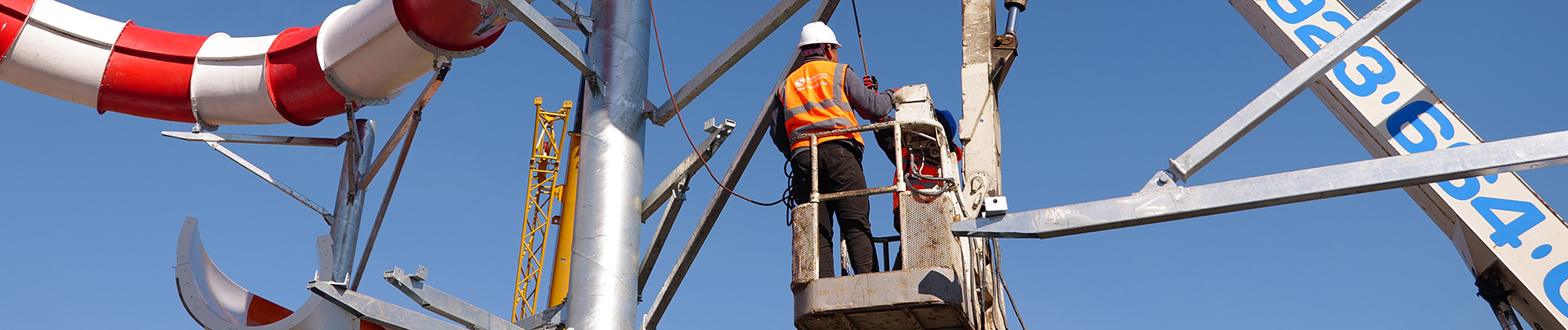
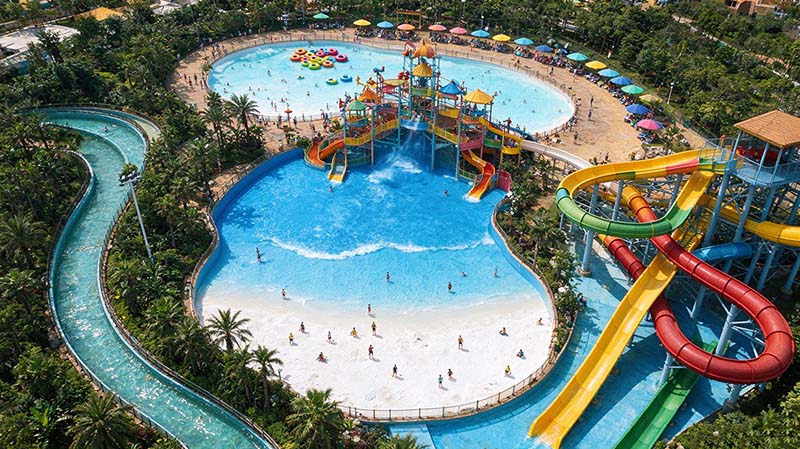
Water parks represent one of the most compelling segments within the modern cultural tourism industry, and equipment manufacturers serving as the core driving force behind this sector. According to the World Waterpark Association (WWA), a water park is defined as a leisure and entertainment venue centered around water, featuring attractions such as water slides, wave pools, lazy rivers, and other aquatic leisure amenities.
From a global perspective, the market for water amusement equipment is experiencing steady growth. In recent years, the global cultural tourism industry has flourished and continued to expand. Water slides, in particular, serve not only as the core attraction for water parks but also as key equipment that shapes the visitor experience and influences repeat visitation rates. Based on product form and experience, water slides can be categorized into four main types: high-speed thrill slides, children' s slides, integrated complex slides, and custom them slides.
In terms of product categories, the water amusement equipment industry includes such as wave-generating pool systems, water slides, and interactive splash tower. Regarding end-use applications, the market is divided into outdoor water parks and indoor water parks. It is noteworthy that the market share of indoor water parks is rising rapidly—a trend that reflects the industry’s commitment to overcoming seasonal limitations to achieve year-round operation.
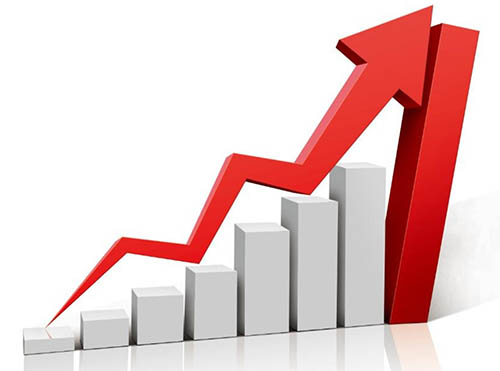
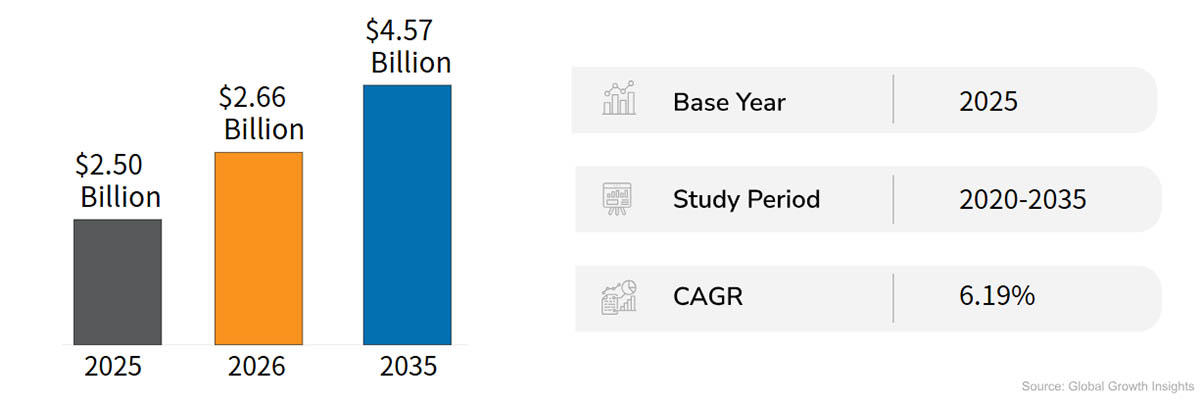
Global Water Slide Market size was USD 2.50 Billion in 2025 and is projected to touch USD 2.66 Billion in 2026, rise to USD 2.82 Billion in 2027, and reach USD 4.57 Billion by 2035, exhibiting a CAGR of 6.19% during the forecast period [2026-2035]. The market is growing as resorts, amusement parks, and recreation centers invest in attractions that increase visitor traffic and repeat attendance. In addition, around 72% of operators rank water attractions among their strongest seasonal demand drivers. The following analysis focuses on the water slide.
At present, the Water Slide Market is growing steadily as amusement parks, resorts, municipal recreation centers, and private leisure operators invest in attractions that improve visitor traffic and repeat attendance. Around 72% of family entertainment venues rank water attractions among their top seasonal revenue drivers. Nearly 61% of park visitors prefer destinations with multi-slide zones and themed splash areas. About 56% of operators are adding interactive lighting, sound, and timed ride features to improve guest engagement. Safety upgrades remain important, with 49% of buyers prioritizing anti-slip surfaces, advanced water flow control, and rider monitoring systems. Around 44% of new projects focus on compact layouts that fit smaller urban spaces. Sustainability demand is also rising, as 39% of operators seek water recycling and energy-saving pump systems. Social media influence matters too, with 42% of younger visitors choosing visually attractive rides. The Water Slide Market is also supported by tourism growth, hotel leisure upgrades, and public recreation spending.
The Water Slide Market shows varied regional demand patterns influenced by climate, tourism activity, leisure spending, amusement infrastructure, resort development, and public recreation investment. North America represents approximately 35% of global market demand, while Asia-Pacific accounts for around 28%, Europe holds approximately 27%, and Middle East and Africa at nearly 10%, together accounting for 100% of the market. North America benefits from mature amusement and aquatic recreation infrastructure, Europe maintains steady demand through tourism and public leisure facilities, Asia-Pacific is expanding through new tourism developments, and Middle East and Africa is supported by destination resorts and premium entertainment projects.
North America represents approximately 35% of the Water Slide Market and remains the leading regional market due to established amusement parks, hotels, resorts, municipal water parks, and family entertainment facilities. Around 64% of large venues refresh attractions to maintain visitor interest, while nearly 49% of operators prioritize premium family attractions and high-capacity slide towers. Continued investment in attraction upgrades, safety improvements, visitor experience, and facility modernization supports demand. Furthermore, mature leisure infrastructure and strong seasonal attendance also encourage operators to introduce differentiated water attractions and improve existing recreational facilities.
Europe accounts for approximately 27% of the global market, supported by holiday resorts, campground leisure centers, hotels, and public aquatic facilities. Nearly 54% of operators focus on safety modernization and energy-efficient systems, reflecting the importance of operational efficiency and facility upgrades. Around 41% of buyers prefer compact slide formats suitable for mixed-use recreation spaces where available installation area is limited. Tourism destinations, family recreation spending, facility refurbishment, and demand for modern aquatic experiences continue to support the regional market across established and emerging leisure locations.
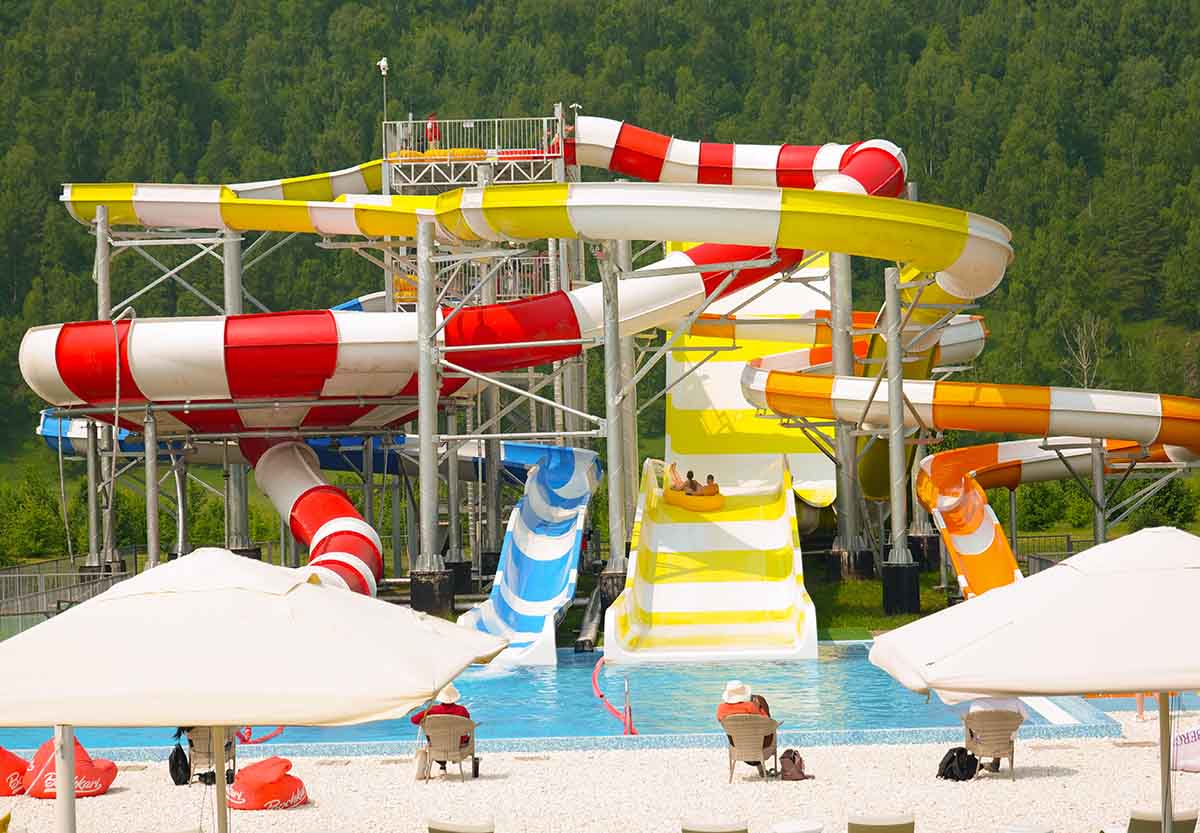
Asia-Pacific represents approximately 28% of the Water Slide Market and is experiencing strong expansion as tourism developments, hotels, resorts, and urban entertainment complexes add aquatic attractions. Around 59% of new leisure developments include family-oriented water zones, while nearly 46% of buyers seek themed slides and visually distinctive ride designs. Growing tourism, expanding hospitality infrastructure, rising recreational spending, and development of integrated entertainment destinations are supporting demand. Operators increasingly use water attractions to strengthen visitor engagement and differentiate leisure facilities in competitive tourism and entertainment markets.
These regions accounts for approximately 10% of the Water Slide Market and represents an emerging demand region led by destination resorts, premium hotels, water parks, and mixed-use entertainment developments. Nearly 47% of projects prioritize distinctive or iconic attractions designed to strengthen tourist appeal, while around 36% of buyers emphasize water recycling systems and heat-resistant materials. Expansion of tourism infrastructure, investment in premium leisure destinations, and development of integrated entertainment facilities are supporting demand. Moreover, environmental considerations and climate-adapted equipment are also becoming increasingly important for operators in the region.
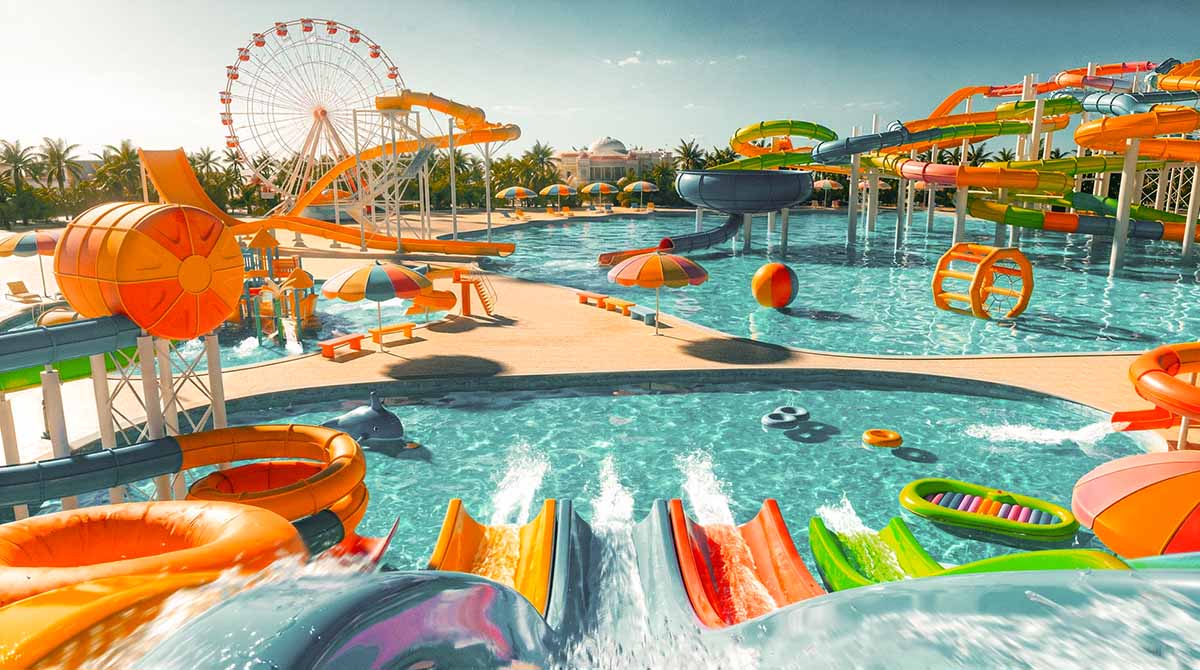
The global water park sector is currently experiencing steady growth with demand emerging in regions all around the world. This a major trend, water parks are not merely venues for entertainment, but also the product of economic development and shifts in policy.
Do you want to build a own water park?
để lại lời nhắn
Quét để gửi qua WhatsApp :